


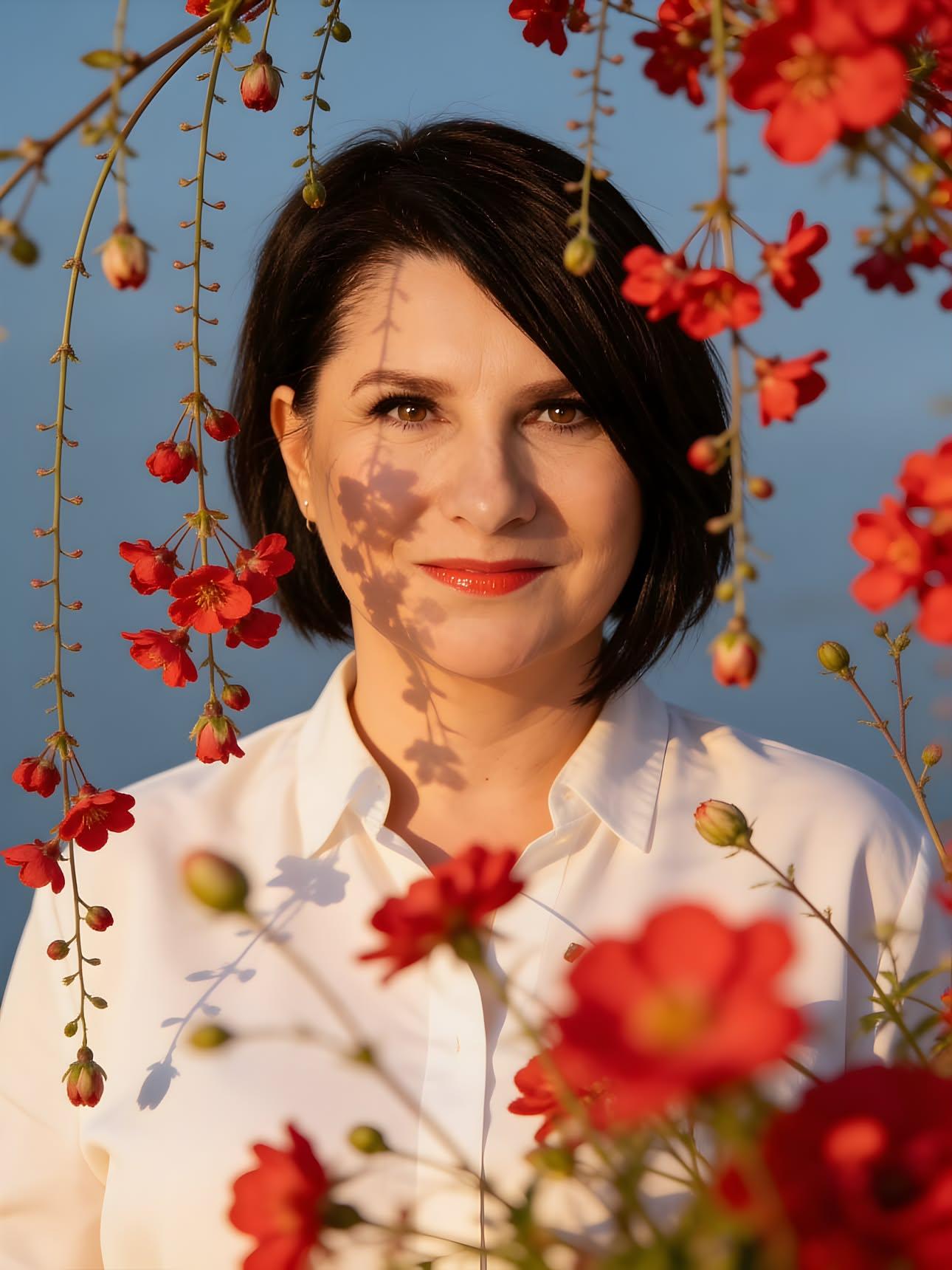
In an industry often driven by social media trends, filters, and dramatic transformations, Brigitta Würfl offers a different perspective. As the founder of Skin Aesthetics Atelier, she has spent more than three decades building a philosophy centered on one core idea: aesthetic care should enhance who you are, not erase it. We sat down with her to talk about her journey, her approach to treatment, and why she believes the future of beauty lies in individuality.
Interviewer: You started your career in 1990 as a nail designer. How did that lead you into aesthetics?
Brigitta Würfl: It wasn’t a straight line, honestly. Nail design was creative work, but it also taught me something I didn’t expect—how much a small change in appearance could affect someone’s confidence. I’d see clients leave feeling like a different, more self-assured version of themselves, and that stayed with me. It made me curious about what else in the world of aesthetics could create that same emotional shift. That curiosity is really what pulled me deeper into this field.


Interviewer: Over the years, you’ve developed a philosophy based on refinement rather than dramatic change. Why that direction, especially in an industry that often rewards the opposite?
Brigitta Würfl: Dramatic transformations get attention—they’re eye-catching; they perform well online. But in my experience, they’re rarely what actually serves a client well in the long run. The results I’m proudest of are the ones where people look like themselves, just more balanced, more rested, more harmonious. That’s a much harder skill to master than simply doing more. It requires restraint, and it requires really understanding a person’s face before you touch anything.
Interviewer: Social media plays a huge role in shaping beauty standards today. How do you see that affecting the clients who come to you?
Brigitta Würfl: It’s one of the biggest challenges we face in this field right now. Filters and heavily edited images have become so normalized that people start comparing themselves to appearances that aren’t even real. I have clients come in wanting to look like a filtered version of themselves, and part of my job is helping them reconnect with what’s genuinely their own. Beauty shouldn’t be about copying someone else’s face—it should be about appreciating and refining your own.
Interviewer: Personalization comes up a lot when you talk about your work. What does that actually look like in practice?
Brigitta Würfl: Every client is different — different facial structure, different lifestyle, different reasons for being here. I don’t believe in a one-size-fits-all treatment plan. Before I recommend anything, I want to understand what the person actually needs and wants, not just what could technically be done. The goal is always a result that feels consistent with who they are, not something layered on top of them.
Interviewer: You’ve also spoken about knowing when a treatment isn’t necessary. That seems like an unusual thing for someone in your position to emphasize.
Brigitta Würfl: I understand why it might sound unusual, but to me it’s fundamental. My responsibility isn’t to recommend as much as possible — it’s to be honest about what will genuinely help someone. Sometimes that means telling a client they don’t need what they came in asking for. That honesty is what builds real trust, and trust is the foundation of every long-term relationship I have with my clients.
Interviewer: In 2025, you were recognized among Germany’s leading professionals in augmentation. What did that recognition mean to you?
Brigitta Würfl: It was a meaningful acknowledgment of the work and years that went into building this practice, but I don’t see it as an endpoint. This field moves quickly, and staying relevant means continuing to learn, continuing to question my own techniques, and being thoughtful about which new developments are actually worth adopting. Recognition is nice, but it doesn’t change the responsibility I feel toward each client who sits in my chair.
Interviewer: What do you think people misunderstand most about aesthetic treatments?
Brigitta Würfl: That it’s only about appearance. In reality, the physical change is often the smaller part of the story. What matters more is how someone feels afterward—comfortable looking in the mirror, no longer feeling like they need to hide behind a filter or heavy makeup to feel confident. That emotional shift is the real result, even though it’s the part you can’t measure with before-and-after photos.
Interviewer: If there’s one message you want people to take from your work, what would it be?
Brigitta Würfl: That you don’t have to lose yourself to feel more confident. Modern aesthetics doesn’t have to mean dramatic change. It can mean subtle improvement, thoughtful care, and, most importantly, respect for who you already are. At Skin Aesthetics Atelier, that’s the standard I hold myself to every day—helping people look like themselves, just more confidently so.

